Ahead of Their Time: Three SelfieBox Ideas That Deserved a Bigger Audience

Not every good product arrives at the perfect moment. Some ideas are technically clever, solve a real problem and teach you something valuable—yet never receive the response you expected.
These are three SelfieBox products we still remember fondly. They were good attempts, built with purpose and imagination. In hindsight, the ideas may simply have been ahead of their time, aimed at a market that was not quite ready, or introduced before the right audience had found them.
1. Bullet-Time: the 360 effect before 360 became familiar
Bullet-Time used a five-camera array, with every camera triggered at the same millisecond to capture a subject from several angles. Software aligned and stitched those split-second frames into a smooth spinning, three-dimensional-effect GIF that could be shared digitally almost immediately.
Often searched for as a Bullet-Time photo booth, GIF spin, multi-camera photo booth, 3D spinning GIF or frozen-action camera effect, the experience produced a result that sat somewhere between a photograph, an animated GIF and a short event video. The subject appeared frozen while the viewpoint moved around them, creating the recognisable Bullet-Time effect.
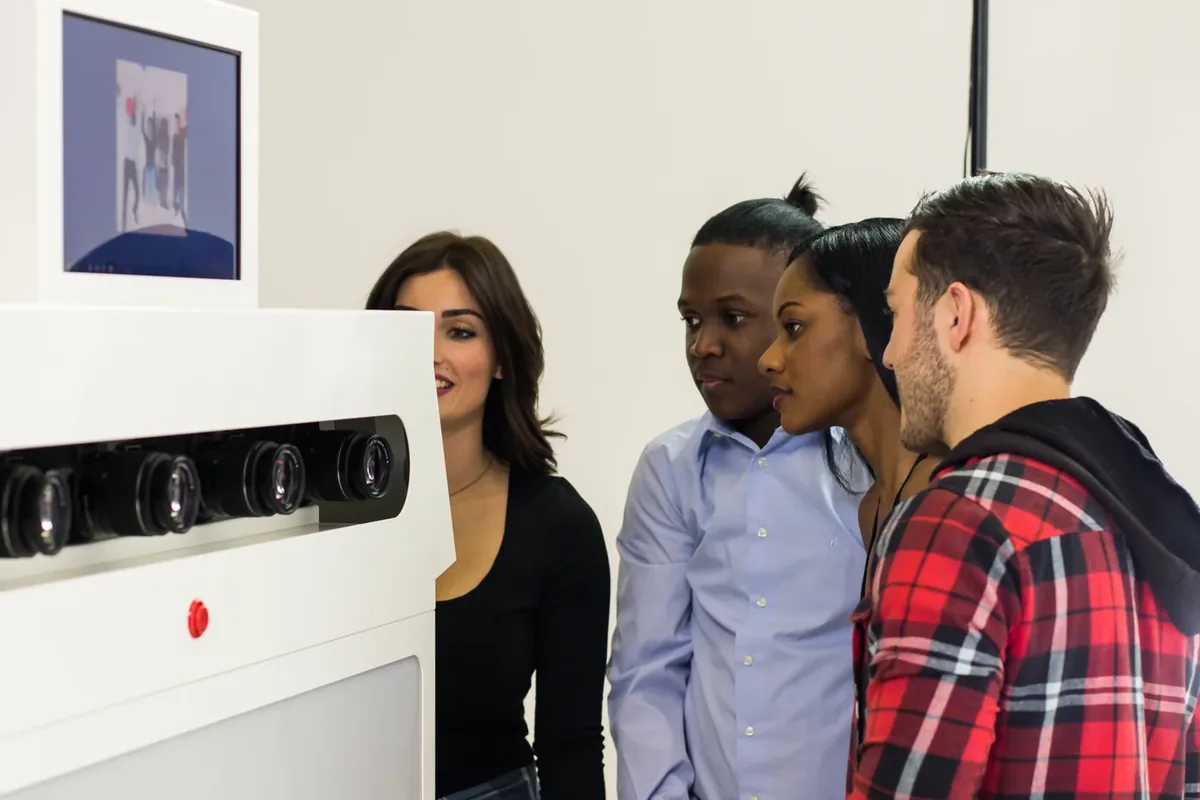
It was exciting and visually impressive. The challenge was practical: setting up and precisely aligning the five-camera system was intensive, and transporting the sizeable product was difficult to justify for events lasting only a few hours. Years later, guests immediately understand a 360 Video Booth. At the time, Bullet-Time also often needed to be demonstrated before people understood why it was special.
2. SermonPod: a simple studio with a very specific purpose
SermonPod was developed during the COVID lockdown to help Pastors and Churches record or livestream professional-quality sermons while congregations could not meet in person. The compact, self-operated studio offered an alternative to building a permanent production room or assembling a complicated setup.
The word Pod was deliberate. While some suppliers describe a similar product as a booth or box, SermonPod functioned as a compact recording pod, church media pod and video pod—a dedicated space where a Pastor could create clear, professional content with minimal technical assistance.
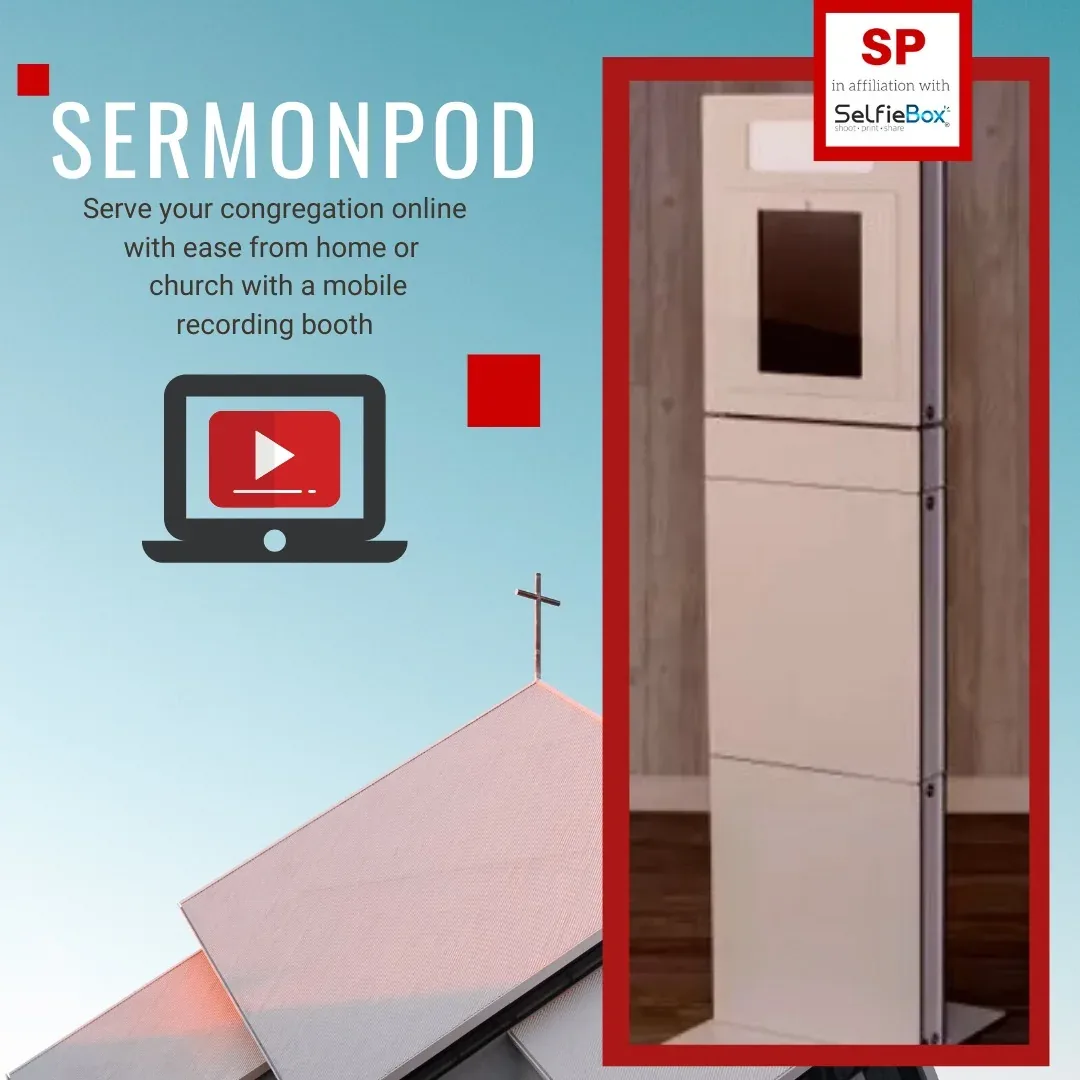
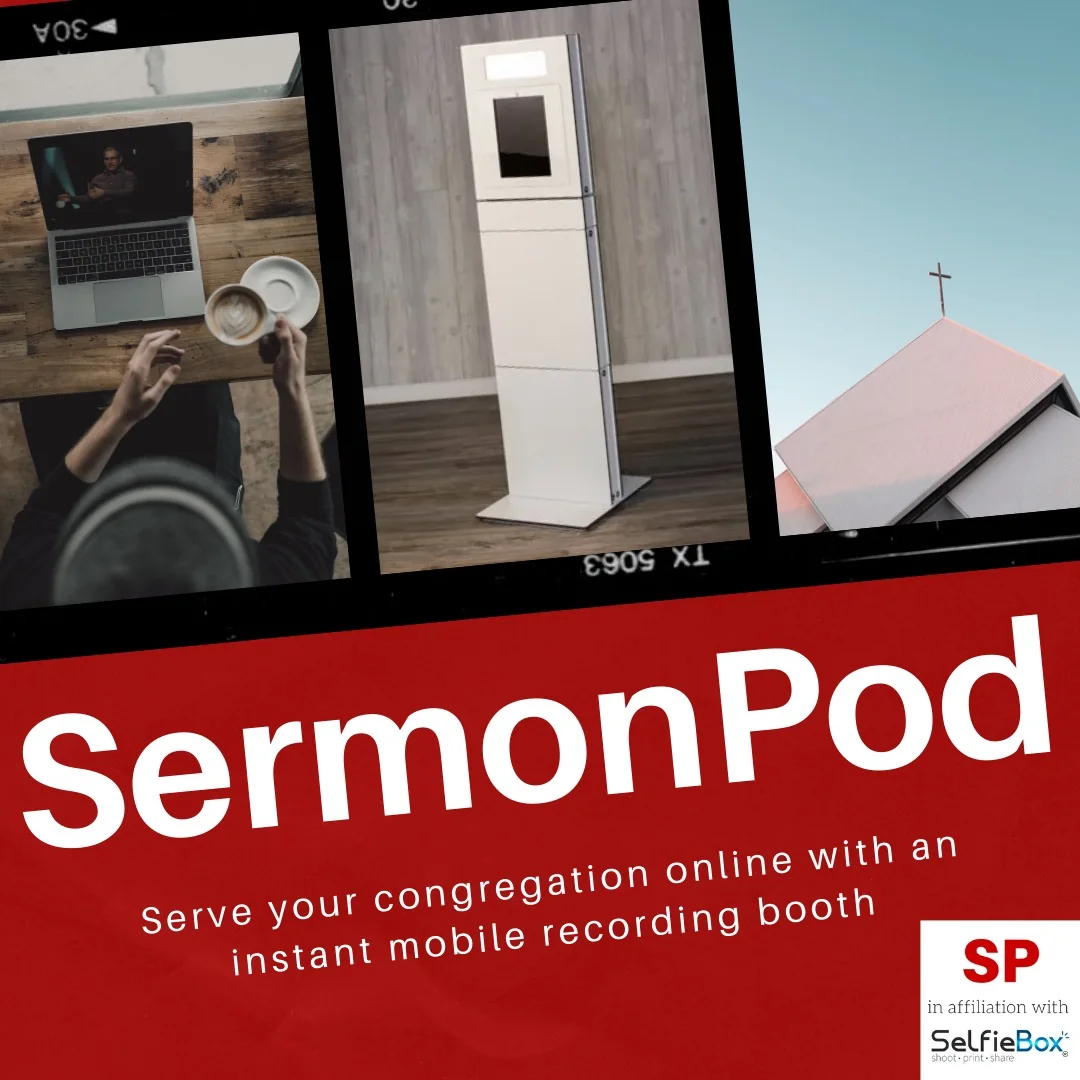
The need was real, but most Churches either did not stream their services or used familiar tools they already had, particularly mobile phones and Zoom. SermonPod offered better production quality, but during a fast-moving lockdown, simplicity and immediate availability won. It did what it promised; the market simply chose more accessible solutions.
3. Booth-in-a-Box: portability taken literally
Booth-in-a-Box was created as an empowerment project to help young entrepreneurs start their own photo booth businesses. For this purpose, we established an NPO called Kumela Empowerment to help aspiring owner-operators gain access to equipment and a practical business opportunity.
The concept placed the essential photo booth equipment into one neat, branded and transportable unit, lowering some of the financial and logistical barriers to entering the industry. It was intended to create small-business ownership, income and skills rather than simply sell another booth.
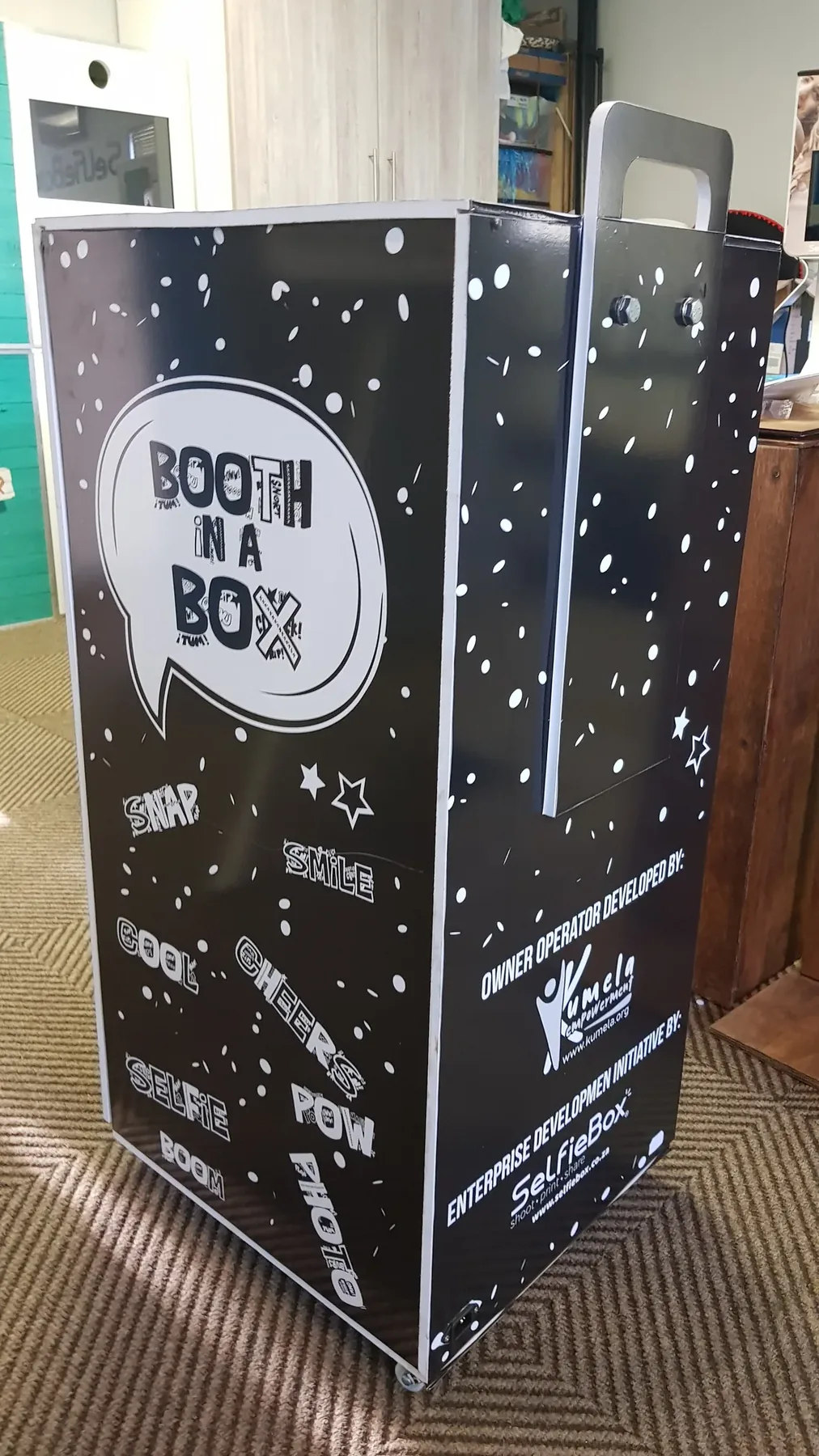
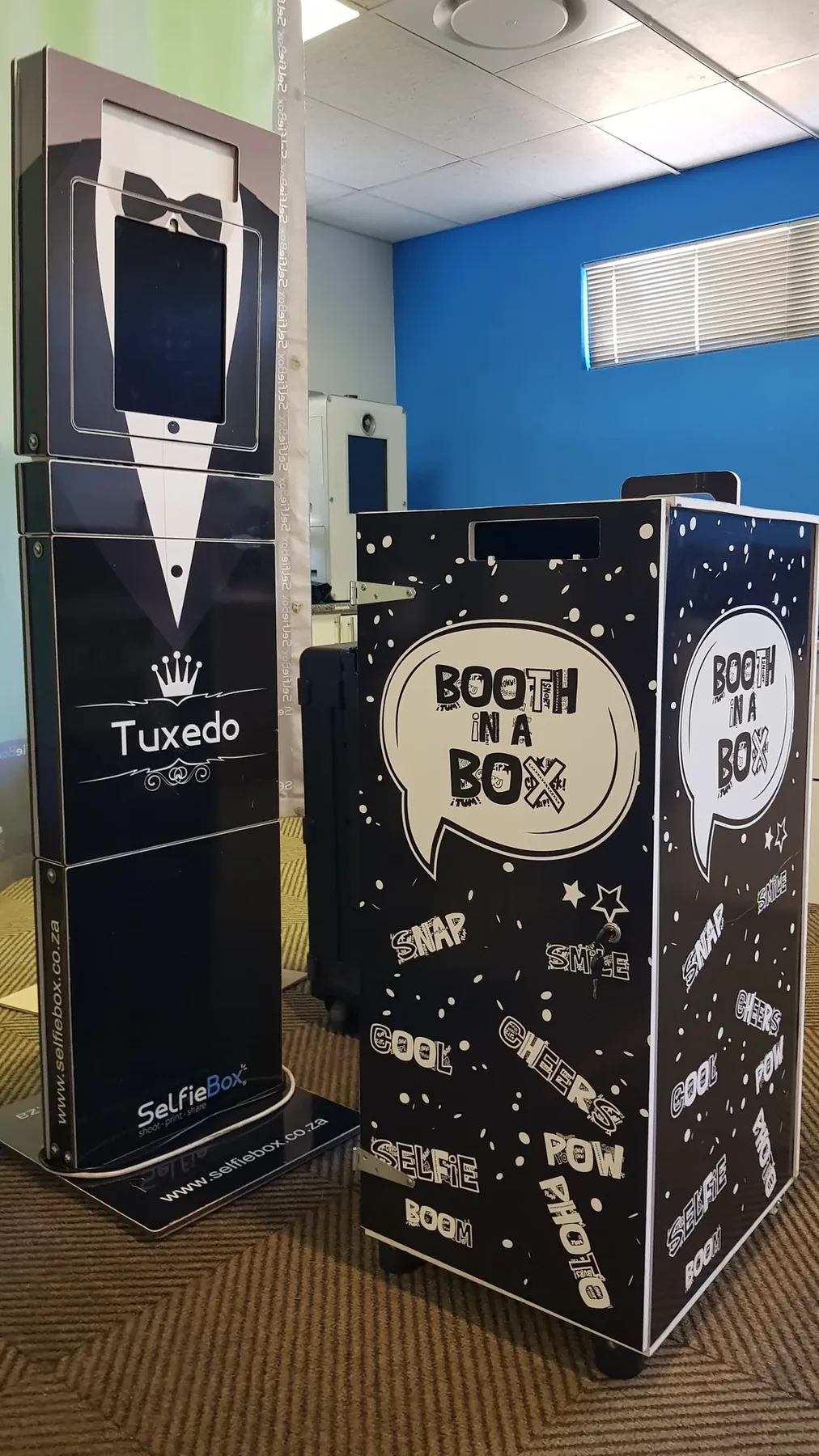
The design was compact, memorable and built around a genuine opportunity. Then COVID arrived. Events stopped, the photo booth market went quiet and the very entrepreneurs the product was intended to empower faced an industry with no immediate work. This was less a flaw in the idea than exceptionally unfortunate timing.
A good idea is never completely wasted
These products did not become the stars we imagined, but each one added something to our thinking: Bullet-Time taught us about immersive motion, SermonPod about self-service recording, and Booth-in-a-Box about portability and efficient product design.
Innovation is not only the ideas that become bestsellers. It is also the willingness to build, test, listen and recognise when timing matters. Sometimes the attempt is right and the moment is wrong—and the lesson becomes part of the next idea that works.